
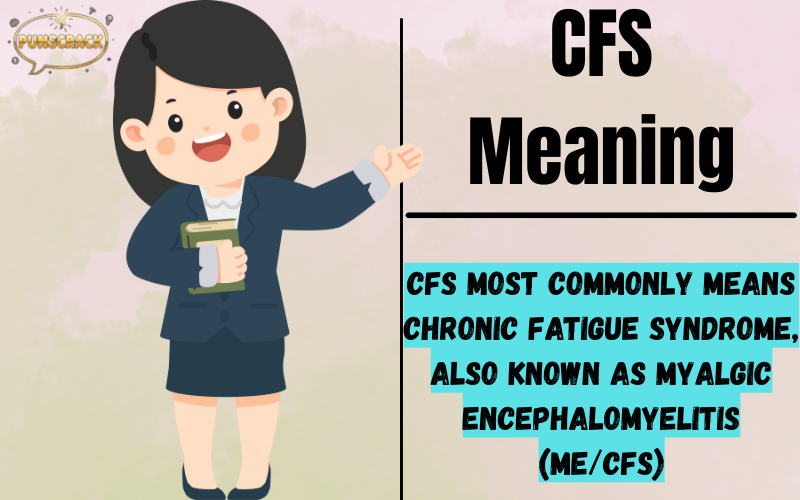
CFS stands for Chronic Fatigue Syndrome, a complex and often misunderstood medical condition that affects millions of people worldwide. Also known as Myalgic Encephalomyelitis (ME) or more commonly as ME/CFS, this illness is characterized by profound, debilitating fatigue that persists for at least six months and does not improve with rest. The fatigue is not the result of ongoing exertion or other medical conditions and significantly impairs daily activities, work, and social interactions. Unlike ordinary tiredness, the fatigue in CFS is overwhelming and can be accompanied by a range of other symptoms that make it a multisystem disorder impacting the neurological, immune, and energy production systems of the body.
The term “Chronic Fatigue Syndrome” was coined in the late 1980s to describe a cluster of symptoms observed in patients following outbreaks of unexplained illnesses. However, the name has been controversial because it emphasizes fatigue while downplaying the severity and complexity of the condition. Many patients and advocates prefer “Myalgic Encephalomyelitis,” which suggests inflammation of the brain and spinal cord along with muscle pain, although direct evidence of inflammation is not always present. In recent years, the combined term ME/CFS has gained traction to encompass both perspectives. The World Health Organization classifies it under neurological diseases, highlighting its biological basis rather than viewing it as a psychological issue.
Understanding the meaning of CFS goes beyond its acronym; it represents a life-altering condition that can strike anyone, regardless of age, gender, or background, though it disproportionately affects women and often begins after an infectious illness. The condition’s hallmark is post-exertional malaise (PEM), where even minimal physical or mental effort leads to a worsening of symptoms that can last for days, weeks, or longer. This makes CFS not just a matter of being tired but a profound disruption to one’s quality of life, often leading to isolation, disability, and significant emotional strain.
In this comprehensive article, we will delve deeply into every aspect of CFS, exploring its history, symptoms, causes, diagnosis, management strategies, and much more. By providing an in-depth look, we aim to educate readers, dispel myths, and offer insights for those affected or supporting someone with CFS. Whether you’re seeking information for personal reasons or general knowledge, this guide will cover the topic exhaustively, drawing from established medical understanding as of 2026.
Historical Evolution of CFS Recognition

The history of CFS is a story of medical mystery, controversy, and gradual acceptance as a legitimate biological illness. The roots of what we now call CFS can be traced back to the early 20th century, with reports of outbreak-like illnesses that resembled polio but lacked the typical paralysis. One of the earliest documented clusters occurred in 1934 at the Los Angeles County Hospital, where staff members experienced profound fatigue, muscle weakness, and neurological symptoms. This was initially dubbed “atypical poliomyelitis,” but no poliovirus was found, leaving doctors puzzled.
The term “Myalgic Encephalomyelitis” emerged in the 1950s following a major outbreak at the Royal Free Hospital in London in 1955. Over 200 healthcare workers fell ill with symptoms including extreme fatigue, muscle pain, and cognitive impairments. British physician Melvin Ramsay described it as “benign myalgic encephalomyelitis,” emphasizing the involvement of the central nervous system. During the 1950s and 1960s, similar outbreaks were reported worldwide, from Iceland to Nevada, often linked to infectious agents but without clear identification. These events were sometimes dismissed as “mass hysteria,” particularly because many affected were women, reflecting the era’s biases in medicine.
In the 1970s and 1980s, sporadic cases gained attention in the United States. A notable cluster in Incline Village, Nevada, in 1984-1985 affected over 200 people, prompting investigations by the Centers for Disease Control and Prevention (CDC). Initially skeptical, the CDC eventually recognized a pattern and, in 1988, proposed the name “Chronic Fatigue Syndrome” along with preliminary diagnostic criteria. This shift aimed to standardize reporting but sparked debate, as critics argued the name trivialized the condition by focusing solely on fatigue, ignoring the systemic nature.
The 1990s saw the development of more refined criteria, such as the 1994 Fukuda criteria from the CDC, which required six months of unexplained fatigue plus at least four additional symptoms like impaired memory or sore throat. However, controversy persisted. Some researchers pushed a psychosocial model, suggesting CFS was rooted in psychological factors like stress or depression, leading to treatments like cognitive behavioral therapy (CBT) and graded exercise therapy (GET). This view was challenged by patient advocacy groups who highlighted biological evidence.
The early 2000s brought setbacks and advances. In 2009, a study linked CFS to the xenotropic murine leukemia virus-related virus (XMRV), raising hopes for a viral cause, but it was retracted in 2011 after being debunked as contamination. This episode underscored the need for rigorous research. A turning point came in 2015 with the U.S. Institute of Medicine (IOM) report, which reviewed over 9,000 studies and concluded CFS is a serious, chronic, complex systemic disease, proposing the name “Systemic Exertion Intolerance Disease” (SEID). Though not widely adopted, it validated the biological basis.
By the 2020s, the COVID-19 pandemic accelerated understanding, as long COVID shared striking similarities with CFS, including PEM and cognitive fog. This overlap led to increased funding and research, with organizations like the National Institutes of Health (NIH) prioritizing ME/CFS. As of 2026, CFS is firmly recognized as a neuroimmune disorder, with ongoing efforts to refine definitions and find biomarkers. The historical journey from dismissal to acceptance highlights the importance of patient voices and scientific persistence in unraveling complex illnesses.
Related Post: SYFM Meaning: Facts, Myths, History, Tables And FAQs
Detailed Signs and Symptoms of CFS
The symptoms of CFS are diverse, fluctuating, and profoundly impactful, affecting multiple body systems and varying in intensity from day to day or even hour to hour. At its core, CFS is defined by severe, persistent fatigue that is not relieved by rest and reduces activity levels by at least 50%. This fatigue is often described as an all-encompassing exhaustion, akin to having the flu perpetually, where even simple tasks like brushing teeth feel monumental.
Post-exertional malaise (PEM) is the defining feature, distinguishing CFS from other fatigue-related conditions. PEM occurs when physical, cognitive, emotional, or sensory exertion triggers a crash in symptoms. For instance, a short walk or a stimulating conversation might lead to intensified fatigue, pain, and flu-like symptoms starting 12 to 48 hours later and persisting for days or weeks. Patients often report feeling “wired but tired,” with a rapid depletion of energy reserves leading to muscle weakness, clumsiness, or even temporary paralysis in severe cases.
Sleep disturbances are nearly universal in CFS. Despite sleeping for extended periods, individuals wake feeling unrefreshed, as if they haven’t slept at all. Common issues include insomnia, hypersomnia, frequent awakenings, vivid nightmares, or reversed sleep cycles. This unrefreshing sleep exacerbates daytime fatigue and cognitive problems.
Cognitive dysfunction, colloquially known as “brain fog,” impairs thinking processes. This can manifest as difficulty concentrating, short-term memory lapses, word-finding problems, slowed reaction times, and challenges with multitasking or processing information. Reading a book or following a conversation becomes laborious, often leading to social withdrawal.
Orthostatic intolerance affects up to 97% of patients, causing dizziness, lightheadedness, nausea, or fainting when standing or sitting upright. This is due to autonomic nervous system dysfunction, such as postural orthostatic tachycardia syndrome (POTS), where heart rate spikes abnormally. Symptoms improve when lying down, but prolonged standing can trigger PEM.
Pain is a frequent companion, including widespread muscle pain (myalgia), joint pain (arthralgia) without inflammation, headaches or migraines, and neuropathic pain like burning or tingling sensations. Gastrointestinal issues, such as irritable bowel syndrome, bloating, or nausea, are common. Other symptoms include sore throat, tender lymph nodes, low-grade fevers, chills, night sweats, shortness of breath, irregular heartbeats, sensitivities to light, noise, odors, chemicals, or foods, and allergies or intolerances that worsen over time.
Severity levels classify CFS as mild (able to work but needing weekends to recover), moderate (housebound with limited mobility), severe (mostly bedbound, requiring assistance for basic needs), or very severe (completely bedbound, unable to tolerate light or sound, needing tube feeding). Approximately 25% of patients fall into the severe category, experiencing profound isolation. Symptoms can fluctuate, with good days allowing more activity and bad days confining one to bed. Emotional symptoms like anxiety or depression often arise secondary to the physical burden, but they are not the cause.
Understanding these symptoms is crucial for empathy and support, as patients may appear healthy outwardly while struggling internally. The variability makes planning life difficult, contributing to the condition’s debilitating nature.
Exploring Causes and Risk Factors
The exact cause of CFS remains elusive, but research points to a multifactorial origin involving genetic, infectious, immunological, and environmental elements. Most cases (60-80%) begin suddenly after an acute infection, suggesting a post-infectious trigger. Common culprits include viruses like Epstein-Barr virus (causing mononucleosis), influenza, herpes viruses (e.g., varicella-zoster), and coronaviruses (e.g., SARS-CoV-2 in long COVID). Bacterial infections such as Q fever or Lyme disease can also precede onset. The theory is that the infection dysregulates the immune system, leading to chronic inflammation or autoimmunity.
Genetic predisposition plays a role, with studies identifying multiple gene variants that increase susceptibility. For example, variations in genes related to immune function or stress response may make some individuals more vulnerable. Family studies show higher rates among relatives, supporting heritability.
Environmental factors, including physical or emotional trauma, can precipitate CFS. Surgery, accidents, or severe stress (e.g., bereavement) have been reported as triggers in 3-10% of cases. Exposure to toxins like mold, pesticides, or heavy metals is another potential risk, possibly through neurotoxic effects or immune activation.
Hormonal imbalances, particularly in the hypothalamic-pituitary-adrenal (HPA) axis, are implicated, with lower cortisol levels observed, impairing stress response. Metabolic issues, such as inefficient energy production from fats and sugars, may contribute to the fatigue.
Risk factors include sex, with women diagnosed 1.5 to 4 times more often than men, possibly due to hormonal differences or reporting biases. Age is a factor, with peaks in adolescence (10-19 years) and middle age (30-50 years), though it can affect children and the elderly. A history of frequent infections or autoimmune diseases like fibromyalgia increases risk. Socioeconomic and ethnic disparities exist, with underdiagnosis in minority groups due to healthcare access barriers.
Importantly, CFS is not caused by deconditioning or lack of exercise; in fact, overexertion can worsen it. Psychological factors like stress may exacerbate symptoms but are not primary causes. Ongoing research aims to pinpoint a unifying mechanism, such as persistent viral particles or immune dysregulation, to better understand and prevent CFS.
In-Depth Pathophysiology of CFS
Pathophysiology refers to the biological mechanisms underlying CFS, revealing it as a multisystem disorder rather than simple tiredness. At the neurological level, brain imaging studies show alterations in structure and function, including reduced gray matter in certain regions, abnormal blood flow, and increased lactate levels indicating metabolic stress. Neuroinflammation is suspected, with elevated markers in the brain and spinal fluid, potentially from activated microglia (immune cells in the brain).
The immune system is dysregulated, with decreased natural killer cell activity, which impairs the body’s ability to fight infections. T-cell exhaustion, similar to that in chronic viral infections, is common, along with cytokine imbalances that promote inflammation. Autoimmunity may play a role, with autoantibodies targeting receptors involved in blood pressure regulation or energy metabolism found in some patients.
Energy metabolism is profoundly affected, with mitochondrial dysfunction leading to impaired ATP production. Studies show a shift from carbohydrate-based energy to less efficient lipid and amino acid pathways, resulting in rapid fatigue. During exercise, patients exhibit reduced oxygen utilization and slower recovery, as measured by cardiopulmonary exercise testing (CPET).
Autonomic nervous system abnormalities contribute to orthostatic intolerance, with blunted heart rate responses and hypersensitivity to positional changes. The gut-brain axis is involved, with reduced microbiome diversity allowing bacterial products to leak into the bloodstream, triggering systemic inflammation.
Hormonal disruptions include hypocortisolism and altered thyroid function, further compounding energy issues. Small-fiber neuropathy, damaging nerves that regulate blood vessels and organs, is present in up to 50% of cases, causing pain and autonomic symptoms.
These mechanisms interact in a vicious cycle: an initial trigger like infection leads to immune activation, which affects the brain and metabolism, perpetuating symptoms. Understanding pathophysiology is key to developing targeted therapies, moving beyond symptom management.
Diagnostic Approaches for CFS
Diagnosing CFS is challenging due to the absence of specific biomarkers or tests, relying instead on clinical criteria and exclusion of other conditions. The process begins with a thorough medical history, focusing on the onset, duration, and nature of fatigue, as well as triggers like infections or stress.
Several diagnostic criteria exist. The 1994 CDC Fukuda criteria require at least six months of new-onset fatigue causing substantial reduction in activity, plus four or more symptoms such as cognitive impairment, muscle pain, or unrefreshing sleep. The 2015 IOM criteria emphasize PEM, unrefreshing sleep, cognitive issues or orthostatic intolerance, and a six-month duration with moderate to severe impairment.
The UK NICE guidelines (2021) suggest diagnosis after three months if symptoms persist, requiring fatigue, PEM, unrefreshing sleep, and cognitive difficulties. For children, shorter durations are considered to avoid delays.
To rule out mimics like thyroid disorders, anemia, sleep apnea, depression, or multiple sclerosis, tests include blood work (complete blood count, thyroid function, inflammatory markers), urine analysis, and sometimes imaging or sleep studies. Normal results are common in CFS, but abnormalities like low ferritin can indicate coexisting issues.
Specialized assessments may include tilt table testing for orthostatic intolerance, cognitive batteries for brain fog, or two-day CPET to demonstrate PEM (though risky). Questionnaires like the DePaul Symptom Questionnaire aid in symptom tracking.
Diagnosis often involves specialists like rheumatologists or neurologists, as primary care providers may lack familiarity. Delays of years are common, exacerbating suffering. Accurate diagnosis is vital for appropriate management and validation of the patient’s experience.
Management and Treatment Strategies
There is no cure for CFS, but management focuses on symptom relief, pacing, and improving quality of life through a multidisciplinary approach. Pacing is the cornerstone, involving balancing activity and rest to stay within one’s “energy envelope” and avoid PEM. Tools like activity diaries, heart rate monitors (keeping below anaerobic threshold), and breaking tasks into small segments help.
Exercise is controversial; vigorous or graded exercise therapy (GET) is no longer recommended due to evidence of harm, as it can trigger severe PEM. Instead, gentle activities like stretching or yoga, tailored to individual tolerance, may be beneficial if introduced slowly.
Sleep management includes hygiene practices (consistent schedules, dark rooms) and cognitive behavioral therapy for insomnia (CBT-I). Medications like low-dose antidepressants (e.g., amitriptyline) or melatonin can aid, but side effects must be monitored.
Pain relief involves over-the-counter analgesics, heat therapy, massage, or acupuncture. For orthostatic symptoms, increasing salt and fluid intake, compression garments, or medications like fludrocortisone help.
Cognitive symptoms may improve with strategies like memory aids or mindfulness. Addressing comorbidities like IBS or anxiety is essential, using diet modifications or therapy.
For severe cases, home modifications (e.g., wheelchairs, grab bars), nutritional support, or intravenous fluids are needed. Psychological support, such as counseling, helps cope with isolation, but CBT focused on “curing” CFS is discouraged if it implies psychological causation.
Alternative therapies like supplements (e.g., coenzyme Q10 for energy) show mixed results and should be discussed with doctors. Patient education and support groups foster resilience. Management is personalized, requiring trial and error to find what works.
Prognosis and Long-Term Outlook
The prognosis for CFS varies widely; while some experience partial improvement, full recovery is rare, occurring in less than 10% of adults. Children have a better outlook, with up to two-thirds recovering within a decade, averaging five years duration.
Symptoms often fluctuate, with periods of remission interrupted by relapses triggered by infections, stress, or overexertion. Factors improving prognosis include early diagnosis, mild initial severity, and access to supportive care. Conversely, severe onset, comorbidities, or lack of support worsen outcomes.
Many patients remain chronically ill, with 25% house- or bedbound long-term. Disability is common, affecting employment (up to 50% unable to work) and relationships. Quality of life scores are lower than in many chronic diseases, with increased risk of depression and suicide due to isolation and invalidation.
Life expectancy is not significantly reduced overall, but complications like immobility-related issues or rare extreme cases can be fatal. Positive factors include adaptive strategies and emerging treatments. With better research, prognosis may improve in the coming years.
Epidemiology: Prevalence and Demographics
CFS affects an estimated 0.17% to 0.89% of the global population, translating to millions worldwide. In the United States, 2021-2022 data indicate 1.3% of adults (about 3.3 million) have ME/CFS, with higher rates post-COVID. The UK reports over 250,000 cases, and similar figures are seen in other developed countries.
Prevalence is higher in women (2-4:1 ratio), possibly due to biological or diagnostic factors. Age distribution shows bimodal peaks: adolescence and 30-50 years. It occurs across all ethnicities, but diagnosis is lower in minorities and low-income groups due to healthcare disparities.
Children and adolescents are affected at rates of 0.1-0.5%, often post-viral, with better recovery. Elderly cases are understudied but increasing with awareness.
Geographically, prevalence is similar globally, though reporting varies. The rise in long COVID has potentially doubled cases, highlighting CFS as a public health concern with significant economic burden.
Society and Culture: Impact and Stigma
CFS profoundly impacts society, with economic costs in the billions annually from lost productivity, healthcare, and disability benefits. In the US, estimates range from $36-51 billion yearly; in the UK, £3.3 billion.
Culturally, stigma persists from historical views as a “yuppie flu” or psychosomatic issue, leading to dismissal by healthcare providers. Patients often face invalidation, with symptoms attributed to laziness or hypochondria, exacerbating mental health struggles.
Advocacy groups like Solve ME/CFS Initiative and Action for ME have pushed for recognition, funding, and research. Awareness efforts, including International ME/CFS Awareness Day on May 12 (honoring Florence Nightingale, believed to have had CFS), educate the public.
Media portrayals vary, from sympathetic documentaries to skeptical articles. Online communities provide support but can spread misinformation. Societal shifts toward accepting chronic illnesses, accelerated by long COVID, are reducing stigma and fostering empathy.
Comparison of Major Diagnostic Criteria for ME/CFS (2026 Perspective)
This table compares the most influential criteria used clinically and in research.
| Criteria | Year / Source | Duration Required | Required Core Symptoms | Additional Requirements | Key Notes / Usage |
| Fukuda (CDC) | 1994 | ≥6 months | Unexplained fatigue reducing activity; not due to exertion/rest | ≥4 of 8 symptoms (e.g., PEM, unrefreshing sleep, cognitive issues, sore throat, etc.) | Widely used historically in research; polythetic (flexible); PEM not mandatory |
| Canadian Consensus (CCC) | 2003 (revised 2010) | ≥6 months | Fatigue + PEM + unrefreshing sleep + pain + neurological/cognitive + autonomic/immune | Specific clusters required; more stringent than Fukuda | Preferred by many clinicians for specificity |
| IOM / NAM (SEID) | 2015 | ≥6 months | 1. Substantial activity reduction2. PEM3. Unrefreshing sleep | ≥1 of: Cognitive impairment OR Orthostatic intolerance | Simple, clinical focus; PEM mandatory; widely recommended by CDC |
| NICE (UK) | 2021 (still current 2026) | ≥3 months | Debilitating fatigue + PEM + unrefreshing sleep + cognitive difficulties | Symptoms moderate-severe; not explained by other conditions | Shorter duration for earlier diagnosis; PEM essential; influential in Europe |
| International Consensus (ICC) | 2011 | Not strictly defined | PEM + neurological + immune + energy metabolism + autonomic + neuroendocrine | Multiple domains mandatory | Very strict; used in some research for homogeneity |
These tables provide quick-reference summaries of the illness’s defining features and how diagnosis has evolved toward emphasizing PEM as the hallmark symptom.
Current Research and Future Directions
Research into CFS has surged since the 2010s, fueled by long COVID parallels and increased funding. Key areas include biomarkers for diagnosis, such as reduced natural killer cell function, electrical impedance changes in blood, or Raman spectroscopy patterns.
Genetic studies, like the DecodeME project, analyze large cohorts to identify risk genes. Pathophysiology research explores neuroinflammation via PET scans, mitochondrial therapies, and immune modulators.
Clinical trials test drugs like rintatolimod (ampligen) for immune boosting, though results are modest. Rituximab (for autoimmunity) failed in large trials, but other immunomodulators show promise. Energy metabolism interventions, like nicotinamide riboside supplements, are under investigation.
Challenges include heterogeneous symptoms, low historical funding (often 3-7% of disease burden), and recruitment difficulties. Collaborations between NIH, CDC, and international bodies aim to standardize criteria and accelerate discoveries.
Future directions include personalized medicine, viral persistence studies, and preventive strategies post-infection. By 2030, biomarkers and targeted treatments could transform CFS management.
Living with CFS: Practical Tips and Coping Strategies
Living with CFS requires adaptation, resilience, and support. Daily life revolves around pacing: listening to your body, prioritizing tasks, and incorporating rest breaks. For example, use timers for activities and alternate sitting/lying positions.
Home modifications enhance independence: ergonomic furniture, voice-activated devices, or meal delivery services reduce exertion. Nutrition focuses on anti-inflammatory diets rich in omega-3s, avoiding triggers like caffeine that disrupt sleep.
Emotional coping involves mindfulness, journaling, or therapy to manage frustration. Building a support network—family, friends, or online groups—combats isolation. Work accommodations, like flexible hours or remote options, help maintain employment if possible.
For caregivers, education on PEM is key to avoiding pushing too hard. Financial planning, including disability benefits, eases stress. Holistic approaches like gentle yoga or aromatherapy provide relief without overexertion.
Ultimately, living with CFS means redefining success, celebrating small victories, and advocating for oneself in medical settings.
Myths and Misconceptions About CFS
Numerous myths surround CFS, hindering understanding and support. One common misconception is that CFS is “just tiredness” or laziness; in reality, it’s a severe biological illness with measurable abnormalities.
Another myth is that it’s purely psychological. While stress can exacerbate symptoms, evidence shows neurological and immune involvement, not causation by mental health issues.
The idea that exercise cures CFS is dangerous; GET has been shown to harm many, triggering PEM. Instead, activity must be carefully managed.
Some believe CFS affects only certain demographics, like middle-class women, but it spans all groups, with underdiagnosis elsewhere.
Finally, the myth that there’s no research or hope is false; advancements are accelerating, offering optimism for better treatments.
Dispelling these myths fosters compassion and drives progress.
(FAQs)
What is the difference between CFS and regular fatigue?
Regular fatigue improves with rest and is often due to temporary factors like lack of sleep. CFS fatigue is chronic, severe, and worsened by activity, accompanied by PEM and other systemic symptoms, not resolving with rest.
Can CFS be cured?
Currently, there is no cure, but symptoms can be managed through pacing, medications, and lifestyle adjustments. Some experience improvement or remission, especially with early intervention, but relapses are common.
Is CFS contagious?
No, CFS is not contagious. While it often follows infections, it’s not spread person-to-person; rather, it’s a post-infectious syndrome involving individual immune responses.
Conclusion
In conclusion, CFS, or Chronic Fatigue Syndrome, encapsulates a profound and multifaceted illness that challenges our understanding of health and resilience. From its historical roots in mysterious outbreaks to its current recognition as a neuroimmune disorder, CFS highlights the complexities of chronic conditions that defy simple explanations. Through detailed exploration of symptoms like PEM and brain fog, causes involving infections and genetics, and management strategies emphasizing pacing over cures, we’ve seen how CFS impacts every aspect of life.
Despite the challenges—fluctuating severity, diagnostic delays, and societal stigma—advances in research offer hope. The parallels with long COVID have amplified awareness, funding, and innovation, paving the way for biomarkers, targeted therapies, and better support. For those living with CFS, knowledge empowers adaptation, while for society, empathy drives change.
Ultimately, understanding CFS means acknowledging its reality, supporting affected individuals, and committing to ongoing discovery. As we move forward in 2026 and beyond, let’s foster a world where CFS is met with compassion, resources, and solutions, transforming lives one step at a time.
View Also: PUNSCRACK.COM

